
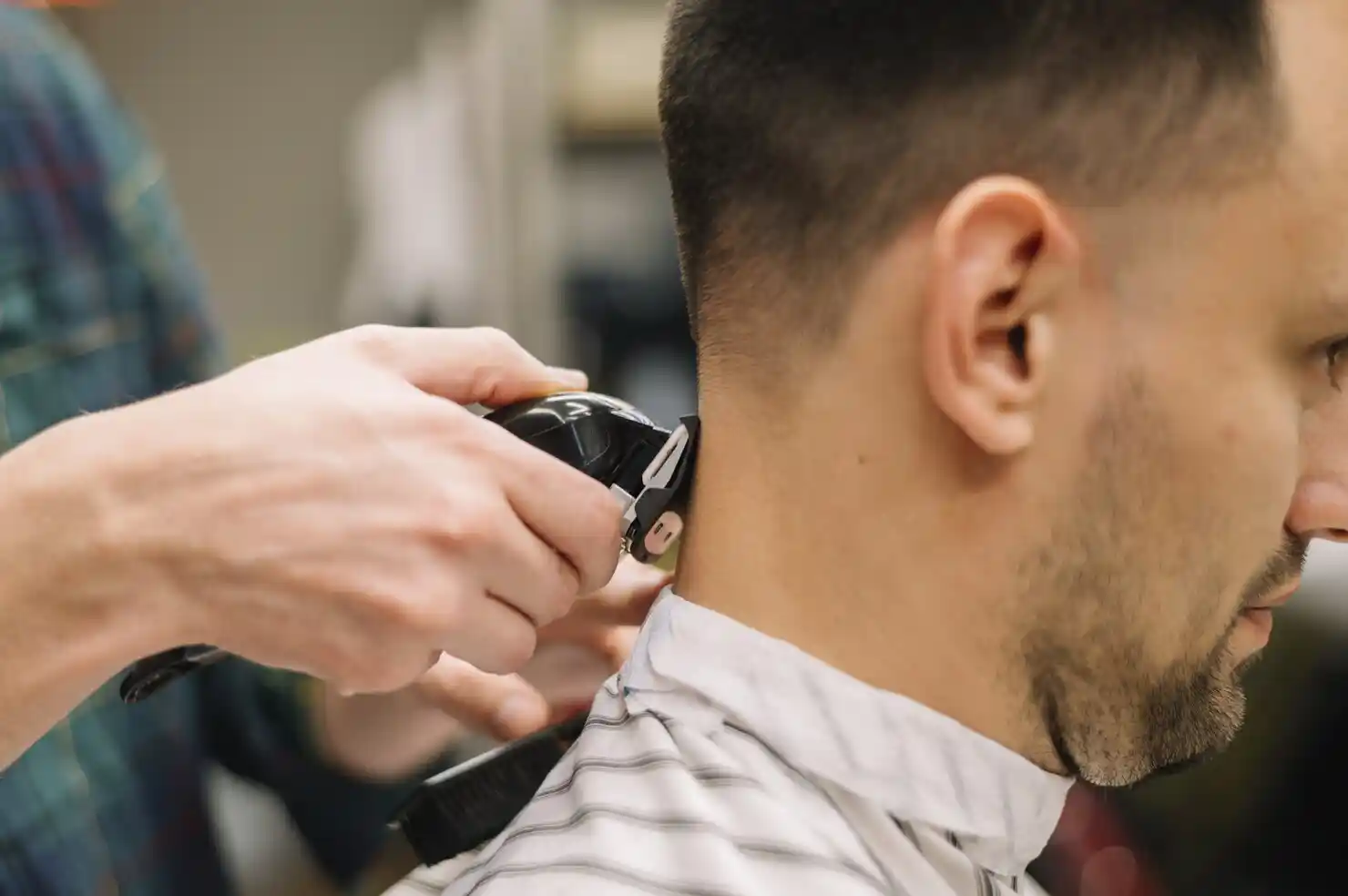
A crew cut in Singapore makes a lot of practical sense, especially given the climate. Short on the sides, slightly longer on top, it survives humidity and a rushed morning better than most styles that need daily product and a blow dryer.
Gent’s Den sees a steady stream of men asking for exactly this, a cut that looks put together without demanding much upkeep, which says something about how practical Singapore’s grooming habits have become.
What Is a Crew Cut and Why Is It Popular in Singapore?
A crew cut keeps the top short, usually between one and two inches, tapering or fading down the sides and back. It dates back to the 1920s on American Ivy League campuses before spreading through military and mainstream use, according to FashionBeans‘ guide to crew cut hairstyles. In Singapore’s climate, that shortness on top translates directly into less sweat and less styling effort, which explains a lot of its staying power.
How Is a Crew Cut Different from a Buzz Cut?
The difference comes down to length on top. A buzz cut is uniform and close all over, while a crew cut keeps visible length up top, usually enough to comb or add light texture to. Both are low maintenance, but a crew cut offers more room to style it differently day to day.
What Are the Best Crew Cut Variations for Men?
The classic crew cut has branched into several versions, each suited to slightly different hair types and preferences.
- Skin fade crew cut: sides taken down to the skin, sharpest contrast against the longer top
- Low or mid fade crew cut: a gentler transition, easier to maintain between trims
- Textured crop crew cut: choppier, more casual finish on top instead of a clean comb
- Ivy League crew cut: slightly longer with a defined side part, closer to a smart-casual look
Picking between them usually comes down to how much contrast someone wants between the top and sides.
Which Face Shapes Suit a Crew Cut the Most?
Crew cuts are fairly forgiving, but not universally so.
- Oval and square faces: the cut works with almost no adjustment needed
- Long faces: works well since it does not add extra height, though a slightly fuller top helps add width
- Round faces: benefits from more height and volume at the crown to elongate the face
- Faces with a strong jawline: pairs especially well since the short sides do not compete with the jaw
A barber can usually tell within a minute of looking at someone whether a crew cut needs adjusting for their shape.
How Often Should I Trim a Crew Cut to Keep It Sharp?
Every three to four weeks is the general rule for keeping the fade lines clean. Left longer than that, the contrast between the top and sides starts to blur, which is really the whole point of the style. Anyone with a skin fade version should expect to trim closer to every two to three weeks.
What Should I Tell My Barber to Get a Clean Crew Cut?
A few specifics make the difference between a good crew cut and a mediocre one.
- Specify the exact top length, in inches if possible, rather than saying “short”
- Mention where you want the fade to start, high, mid, or low on the sides
- Say how much styling effort you actually want to put in daily, this affects the cut’s texture
- Bring a reference photo if you have one, even a rough idea helps avoid miscommunication
Clear direction at the start saves a second trip back to fix something minor.